Solar study lights, built by students
Our Work with Malaika
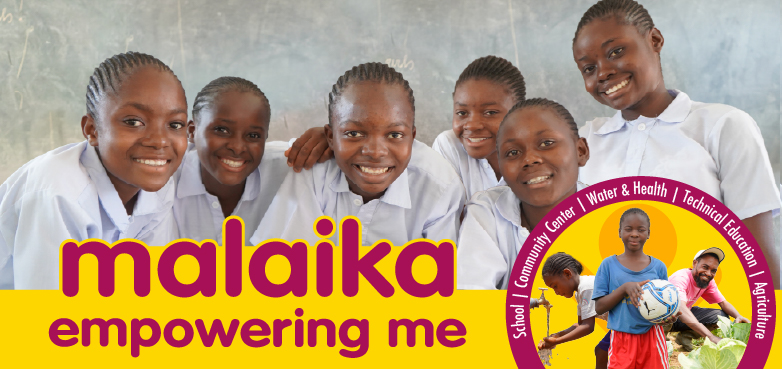
In Kalebuka, near Lubumbashi, Malaika has spent years building an education program around a simple idea: a student’s ability to learn is shaped by much more than the hours she spends in a classroom. The organization began in 2007 and now connects a free school for girls with clean water, health, sport, agriculture, vocational training, and a community center.
Malaika’s school opened in 2011. Today, its website says the school serves 430 girls in primary and secondary education and maintains a 99.3 percent retention rate. The community center extends learning beyond the school day through literacy classes, internet access, sports, and vocational programs for young people and adults.
Malaika (DR Congo): 15 lights allocated, not shipped. These lights are allocated. This page does not call them shipped.
Our Impact
15
430
34
About the Partnership
Learning does not stop at the school gate
That wider view of education is what makes Malaika a thoughtful partner. Our solar study lights are designed for one practical purpose: giving a student a dependable light when electric service is unavailable. They do not replace teachers, books, or community-led programs. They make those resources easier to use after sunset.
Malaika knows the students, families, and daily routines around its programs. That experience can help determine whether a light is useful, who should receive one, and how to follow up without assuming that every household faces the same circumstances.
What Flash Forward can contribute
Flash Forward is a volunteer-run nonprofit that designs and builds rechargeable solar lights. The work brings young people into engineering, fundraising, media, and operations while creating a practical tool for another student. Once the lights arrive, they will become part of education work already being led in Kalebuka.
Malaika’s local knowledge will guide the lights toward students who can use the added hours after sunset.
Sources
Figures reflect what Malaika currently publishes and may change.
Latest Stories
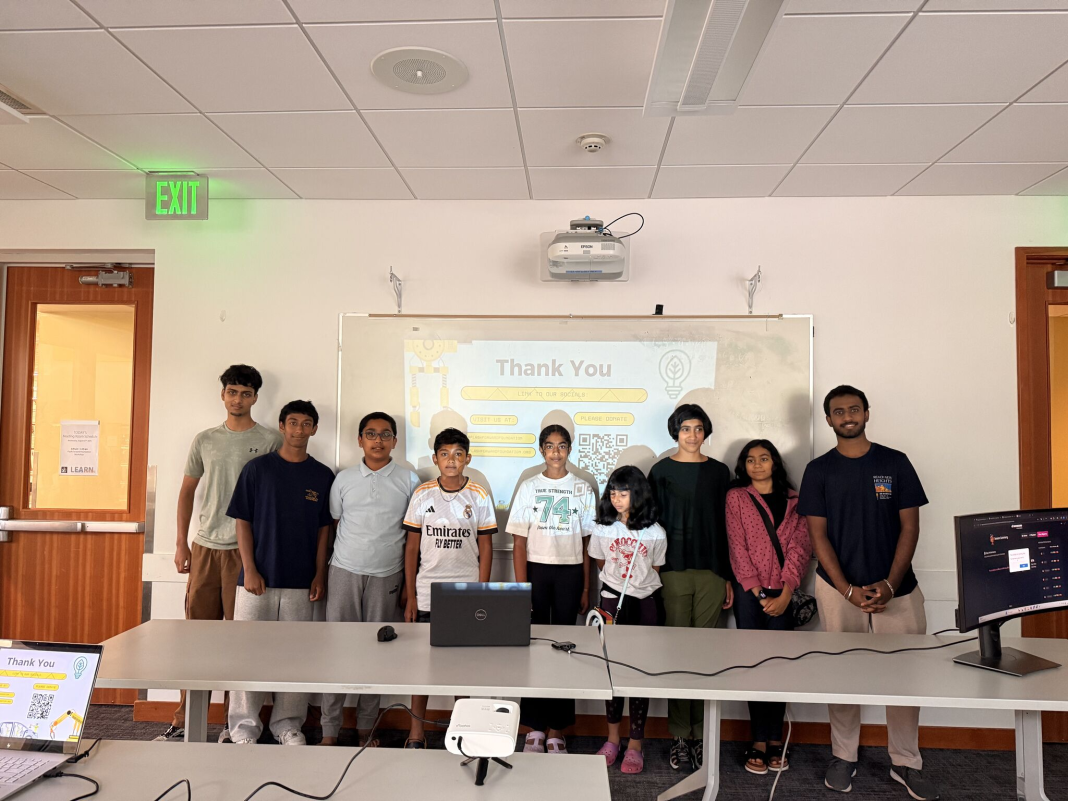
Program record: 72 lights for three partners
42 lights have shipped to Haiti. Thirty more are allocated to partners in India and the DR Congo and are not described as shipped.
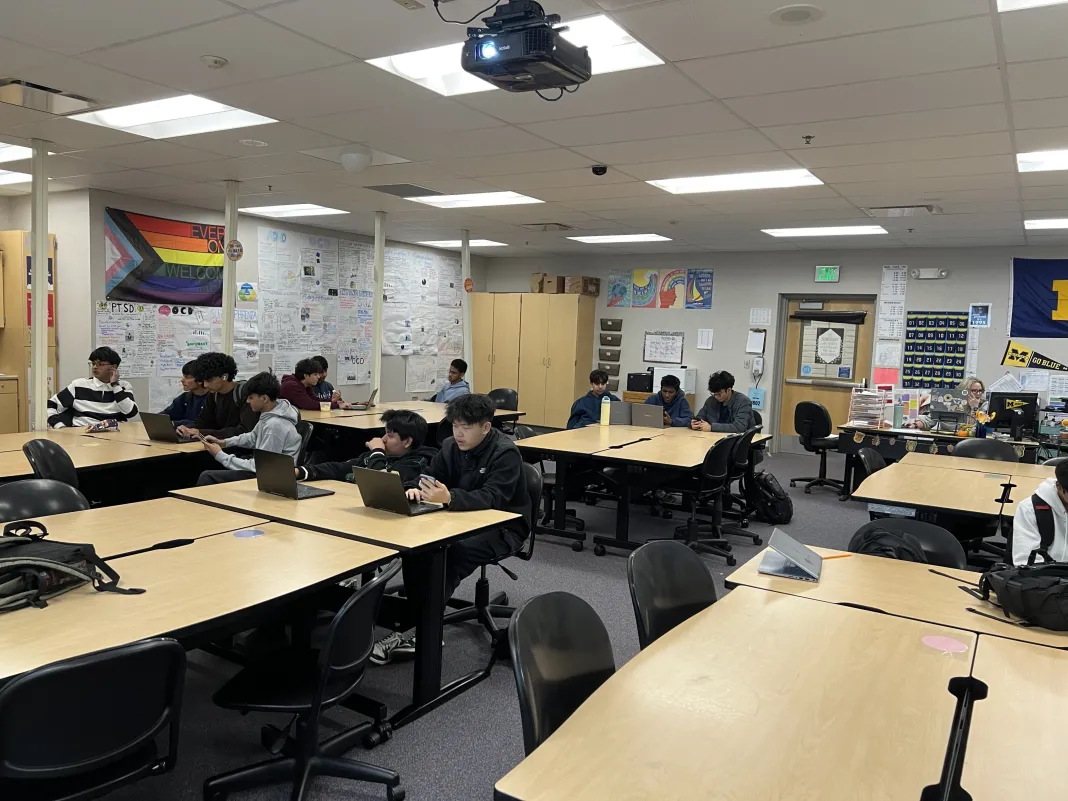
How a light gets built
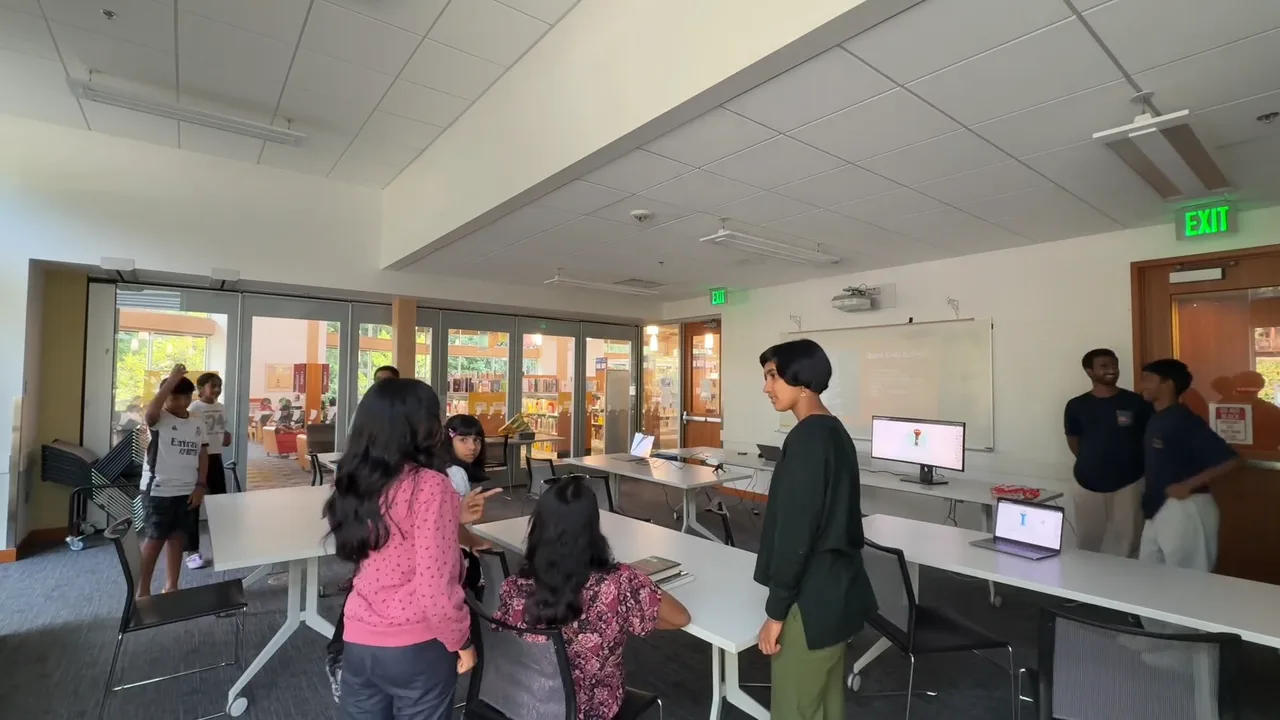
Student volunteers print the case, assemble the parts, and check the light before a partner receives it.
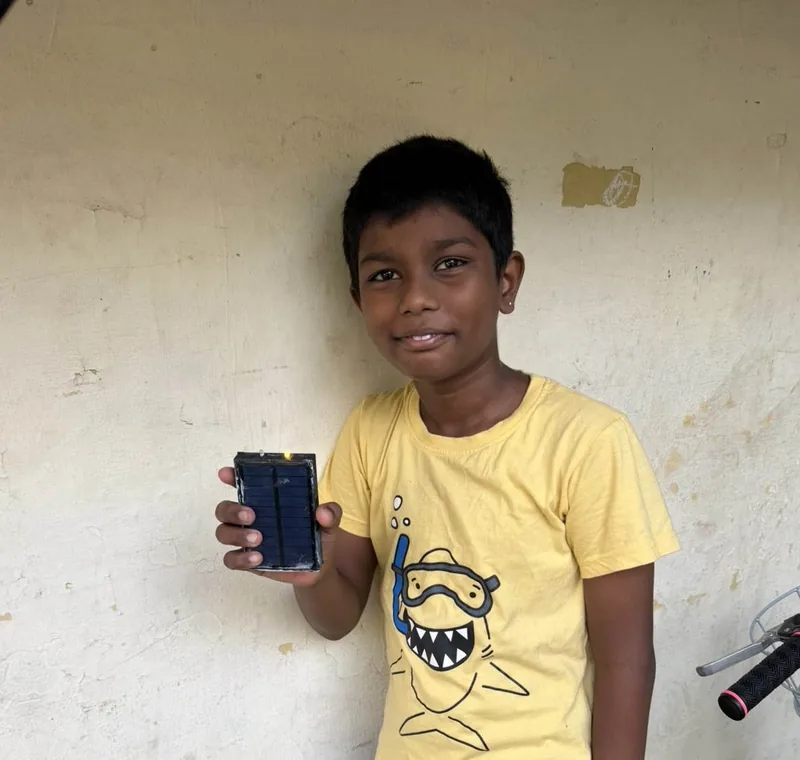
The electricity figure we cite
655 million people lived without electricity in 2024, according to Tracking SDG7: The Energy Progress Report 2026.